
Sustainability
Infrastructure That Enables the Energy Transition
LCC Terminals plays a critical role in enabling Northern Ireland’s transition toward lower‑carbon, renewable, and circular liquid fuels. Our terminals, systems, and safety frameworks are engineered to support both today’s traditional energy carriers and the next generation of low‑carbon alternatives, ensuring that the region has the physical infrastructure required to meet national and cross‑border decarbonisation targets.
We don’t just talk about sustainability.
We build it to store it, blend it, and move it.
Decarbonisation
A Logistics Bridge Between Supply and Decarbonisation Targets
Northern Ireland’s energy transition depends on secure, compliant access to renewable and low‑carbon fuels. LCC Terminals provides the infrastructure and operational expertise required to bring these products safely into the market, including:
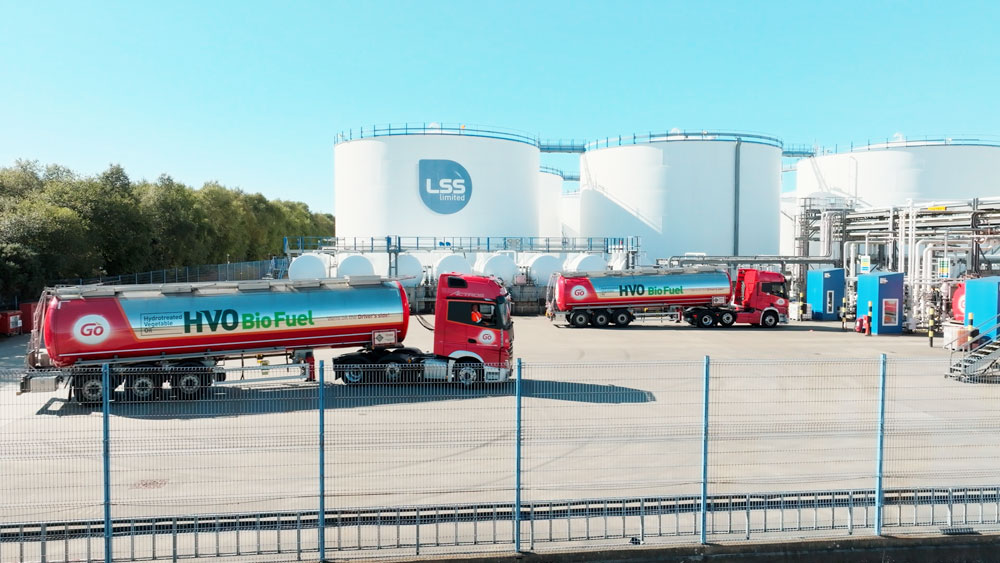
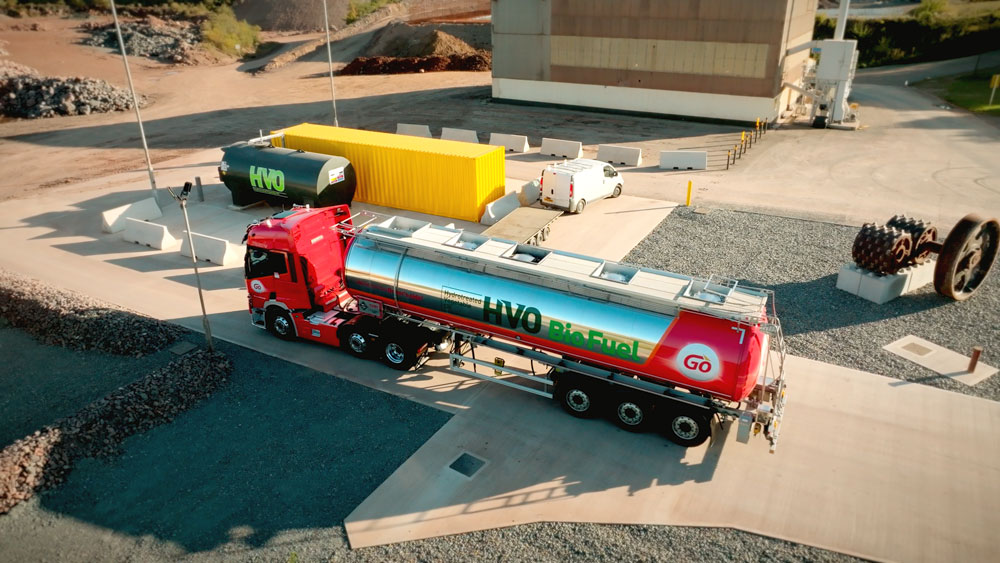
- HVO (Hydrotreated Vegetable Oil)
- Biofuel blends (TALLOW, FAME, UCOME)
- Ethanol
- Methanol
- Used cooking oils (UCO)
- Recycled liquid fuels (RLW)
- Renewably sourced industrial feedstocks
- Hydrogen Ready Capabilities
By supporting the import, blending, storage, and redistribution of these fuels, we create a vital logistics bridge between global renewable supply chains and the decarbonisation ambitions of both Northern Ireland and the Republic of Ireland.
This role will only grow in importance as climate frameworks evolve, fuel standards tighten, and demand for cleaner alternatives accelerates.
Fuels of the future
Infrastructure Designed for Renewable Compatibility
LCC’s terminals are technically configured to support a wide range of renewable and alternative fuels, with infrastructure including:
Our systems provide the confidence required to integrate greener alternatives into existing supply chains without compromising safety, performance, or compliance.
- Temperature‑controlled storage for sensitive bio-products
- Dedicated handling systems for ethanol and renewable blends
- Compatibility with recycled and waste-derived fuels
- High‑integrity tank farms engineered to prevent contamination and preserve product quality
Our systems provide the confidence required to integrate greener alternatives into existing supply chains without compromising safety, performance, or compliance.
Reducing Emissions
Reducing Carbon Miles Through Strategic Location
Built for Efficient, Low-Carbon Distribution
LCC’s terminal network reduces supply chain emissions by:
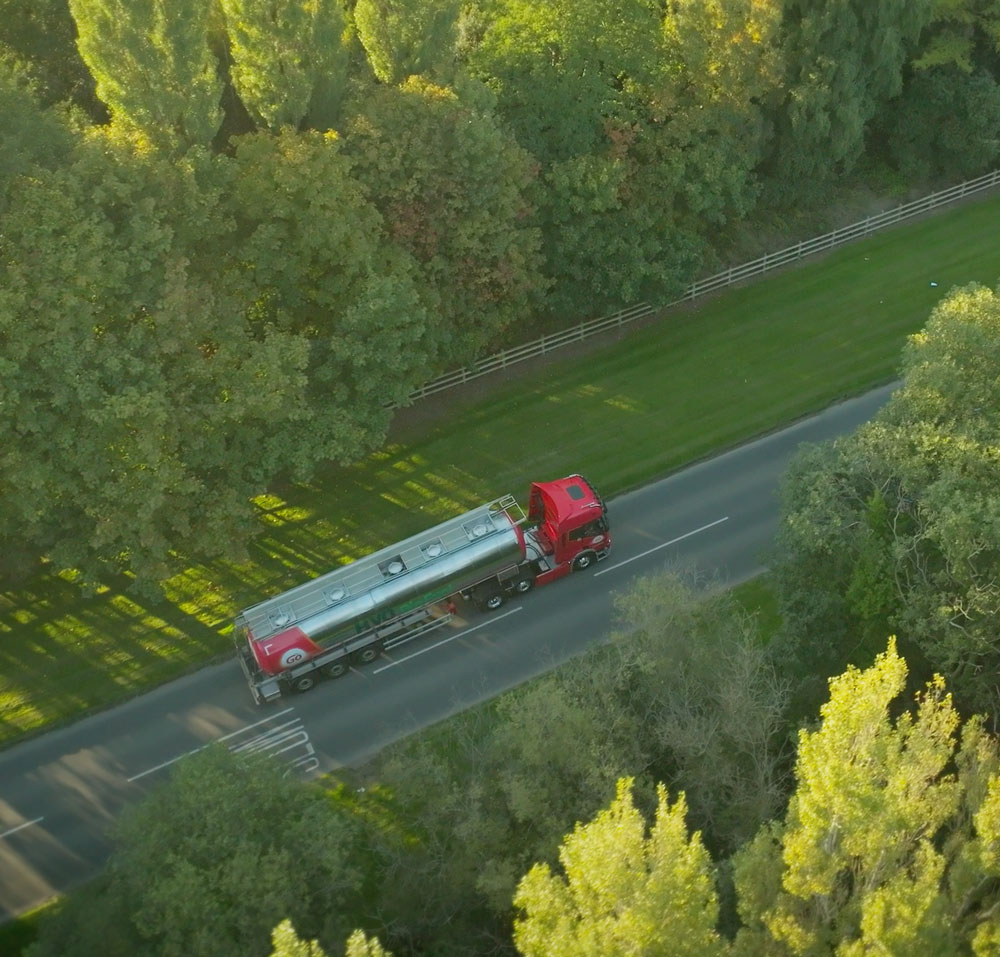
- Minimising long-haul road movements
- Providing deepwater access for global inbound shipments
- Enabling localised storage and distribution
- Strengthening regional resilience through multi-terminal coverage
- Hazardous liquid waste and recycled fuels (RLW)
With terminals at Cloghan Point and LSS Derry/Bay Road, we support efficient distribution across Northern Ireland and the border counties, reducing unnecessary transport emissions and improving route optimisation.
A Future-Fit Renewable Energy Hub
Cloghan Point
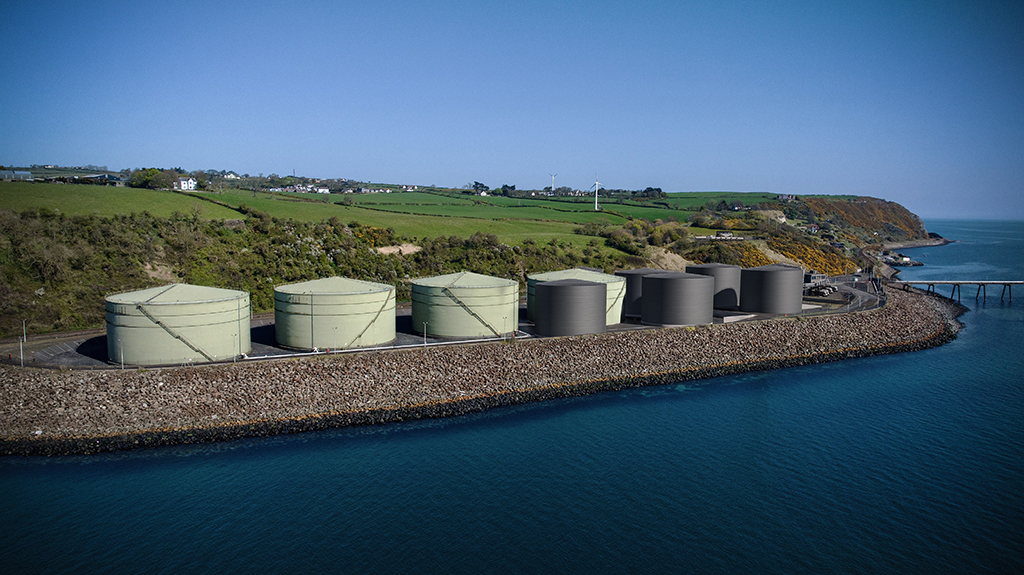
The proposed redevelopment of the Cloghan Point terminal represents a step-change for renewable energy logistics in Northern Ireland.
Future-Facing Capabilities Include:
- Increased import capacity for renewable fuel carriers
- Expanded tank storage for HVO, ethanol, bio-blends, and advanced low-carbon liquids
- Enhanced in-line blending for scalable, consistent renewable fuel production
- Deepwater access enabling direct importation from global suppliers
- Reduced reliance on long-haul supply routes through Great Britain
- Lower transport emissions through optimised routing and reduced carbon miles
Cloghan Point positions Northern Ireland to safely scale its renewable fuels infrastructure, aligning with national climate commitments and strengthening long-term energy resilience.
Advanced Systems
Advanced Blending, Testing & Compliance Systems
These systems reinforce product integrity and ensure renewable fuels enter the market with full regulatory confidence
In-Line Blending Excellence
Our advanced in-line blending technology ensures the precise, consistent production of renewable fuel blends, including HVO diesel blends, ethanol-petrol mixes, and specialist formulations for regulated industries.

Accredited Laboratory Testing
Our laboratories verify renewable fuel quality against EN, ASTM, and regulatory standards, ensuring compliance, stability, and performance across every batch.

Regulatory Fuel Marking
LCC Terminals is approved for mandatory fuel marking, providing:
Anti-fraud protection
Compliance with UK and ROI revenue authorities
Traceability across renewable and low-carbon fuel movements.

Anti-fraud protection
Compliance with UK and ROI revenue authorities
Traceability across renewable and low-carbon fuel movements.
Safety and Compliance as the Foundation of Sustainability
Sustainability at LCC begins with Zero Harm. Every renewable and low‑carbon fuel we handle is managed under the same stringent safety protocols that apply to traditional fuels.
Sustainability only works when operations are safe.
At LCC, the two are inseparable.
Our sustainability framework is built on:
Sustainability only works when operations are safe.
At LCC, the two are inseparable.
Our sustainability framework is built on:
COMAH safety compliance
High-integrity engineering controls

Real-time monitoring systems

Continuous training and competency development

Environmental protection and spill prevention

Strict adherence to national and cross-border fuel regulations

Circular Economy Solutions
LCC plays an important role in the circular economy through the handling, processing, and redistribution of recycled liquid fuels (RLW) and waste-derived liquids.
These materials are managed through controlled, compliant processes, supporting responsible recycling routes and reducing the environmental burden associated with liquid waste streams.
Ship‑to‑Shore Precision
Prepared for the Energy Systems of Tomorrow
LCC Terminals continues to invest in flexible, future-ready infrastructure capable of supporting emerging liquid energy carriers, including:
Advanced biofuels
Electro‑fuels
(e-fuels)
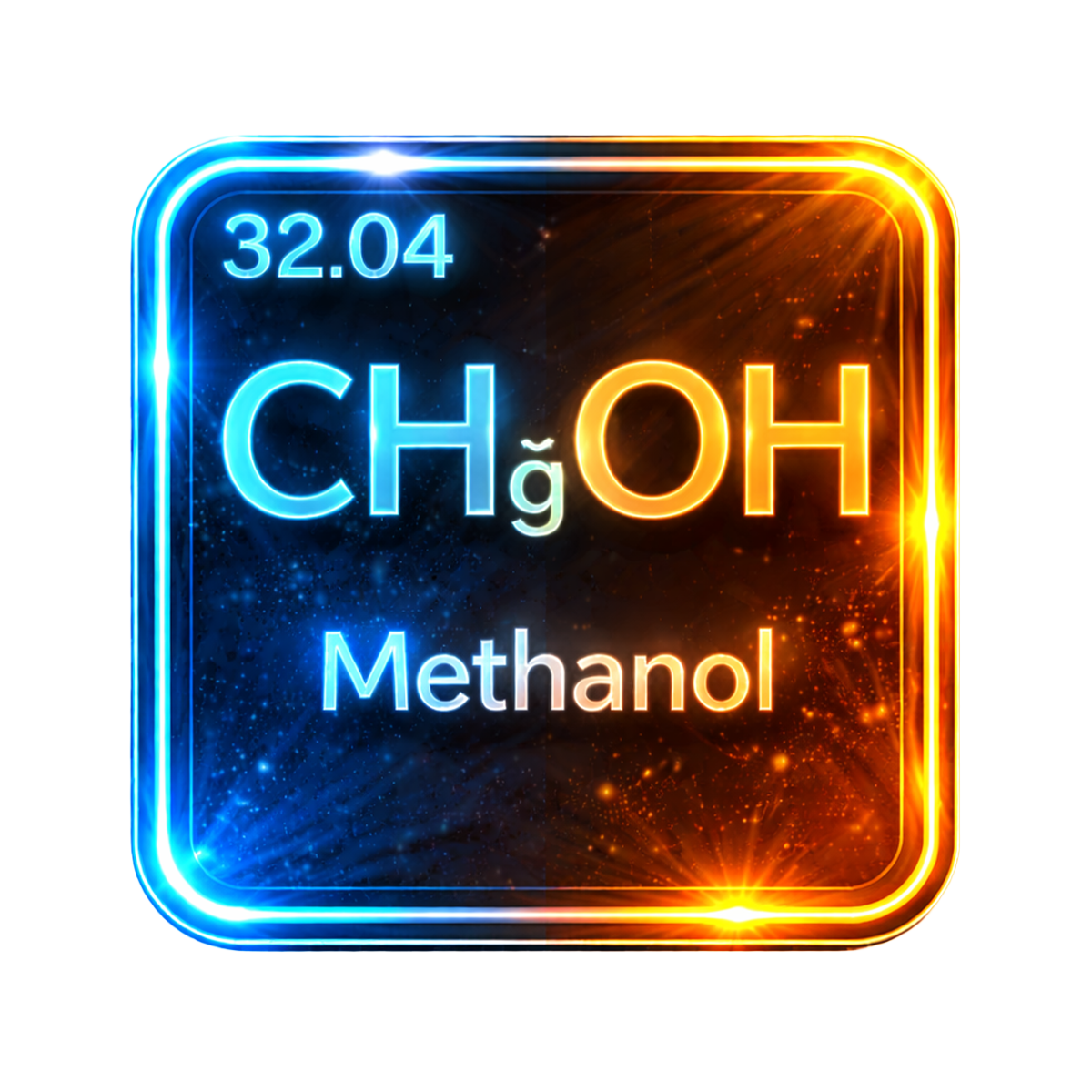
Methanol

Synthetic hydrocarbons

Potential ammonia-compatible systems
(high-level readiness)
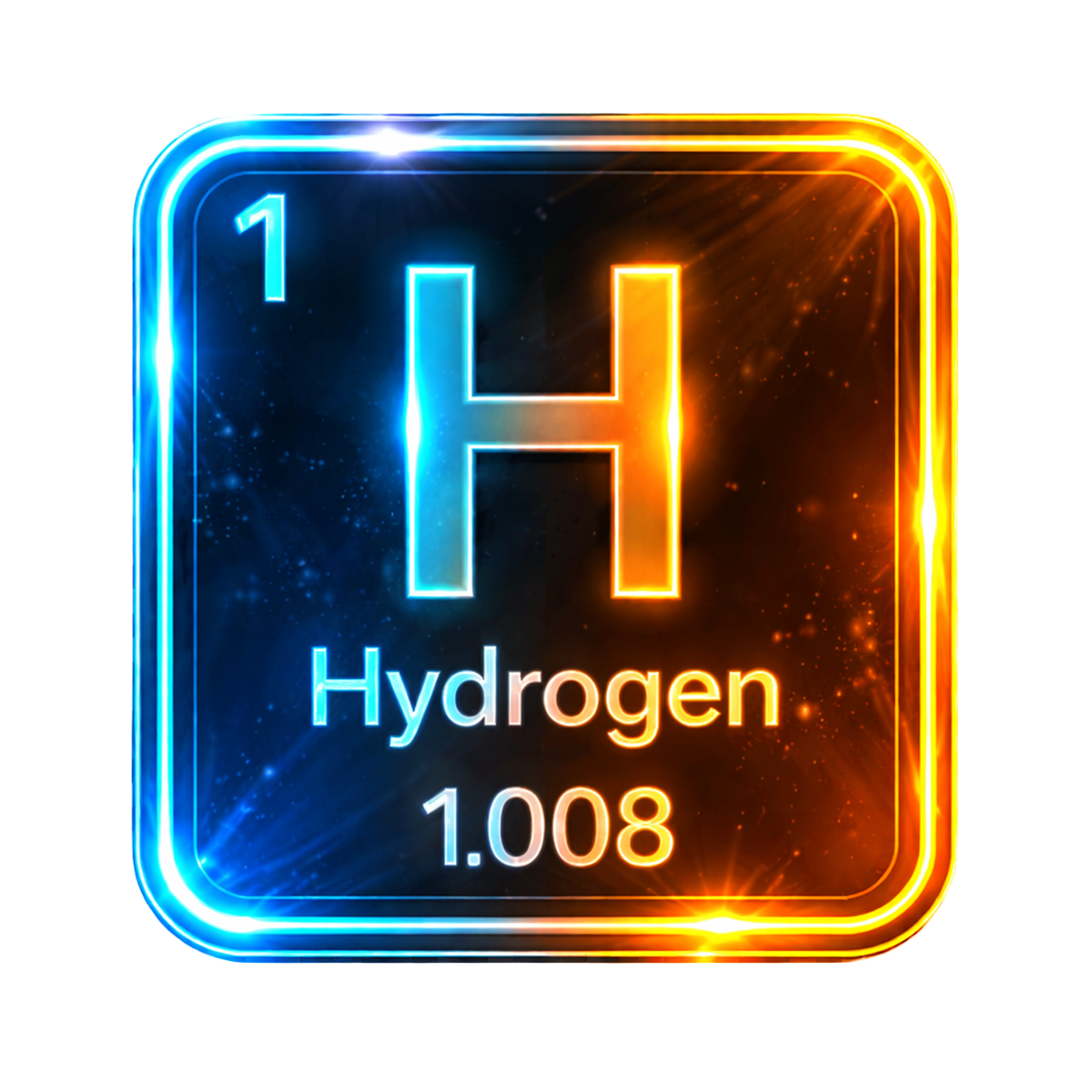
Hydrogen
(high-level readiness)

Partner with an
Infrastructure Operator That Enables Sustainable Progress
Whether you’re importing renewable fuels, scaling biofuel logistics, or developing new decarbonised supply routes, LCC Terminals can support your transition.